

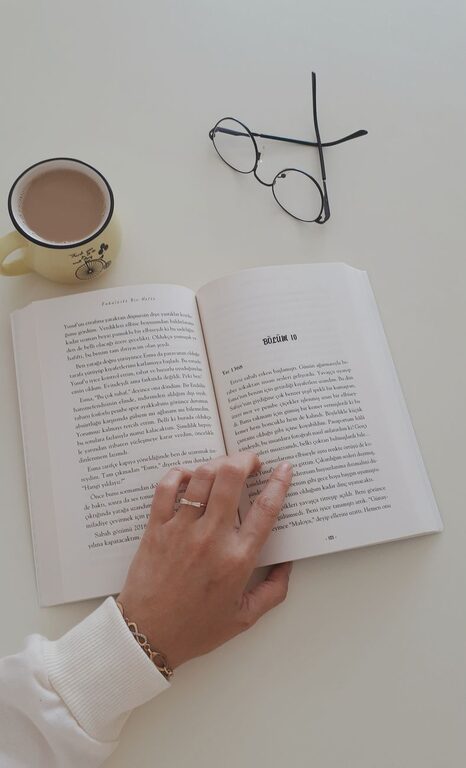
Reading regularly can be rewarding, but starting a reading habit does not require a large time commitment or an ambitious book list. The most effective approach is to make reading simple, enjoyable, and easy to fit into your existing routine.
Whether you want to read more fiction, learn about a new subject, or spend less time scrolling, small and consistent steps can help. Here is how to build a reading habit that lasts.
Start with a small goal
One of the easiest ways to begin is to set a goal that feels manageable. Reading an entire book every week may sound motivating, but it can quickly become stressful if your schedule is busy.
Instead, begin with a small target, such as:
– Reading for 10 minutes a day
– Reading five pages each evening
– Finishing one book each month
– Reading during one regular break each day
A small goal is easier to repeat. Once reading becomes familiar, you can increase the amount gradually. The goal at the beginning is not to read as much as possible. It is to create a routine that you can maintain.
Choose books you genuinely enjoy
A reading habit is much easier to build when you look forward to reading. You do not need to start with a book that seems impressive or useful. Choose something that catches your interest.
You might enjoy:
– Mystery or fantasy novels
– Memoirs and biographies
– Short stories
– Travel writing
– History
– Nature and science
– Humour
– Essays or personal development books
Think about films, podcasts, or conversations that have held your attention. They may point you towards a subject or genre you would enjoy in book form.
It is also fine to stop reading a book that is not working for you. Your reading time should not feel like a punishment. If a book fails to hold your interest after a fair attempt, set it aside and choose another.
Make reading part of an existing routine
A new habit is more likely to stick when it is connected to something you already do. This is sometimes called habit stacking: you attach a new activity to a familiar one.
For example, you could read:
– After your morning coffee
– During your lunch break
– On public transit
– While waiting for an appointment
– Before going to sleep
– After brushing your teeth in the evening
Choose one regular moment and begin there. Reading at the same time each day reduces the need to decide when to do it. Over time, the routine can become automatic.
If you have an unpredictable schedule, use a flexible rule instead. You might decide to read at any point before dinner or whenever you have a spare 10 minutes.
Keep your book easy to reach
Convenience has a major effect on whether a habit happens. Keep your current book somewhere visible and accessible.
You could place it:
– On your bedside table
– Beside your favourite chair
– In your work bag
– Next to your coffee mug
– On your phone or e-reader
Having a book nearby creates a helpful reminder. It also makes it easier to choose reading when you have a quiet moment.
Consider keeping a book in more than one format. A print book may work well at home, while an e-book or audiobook can be useful when you are travelling or doing simple tasks. Different formats can help you continue the habit in different situations.
Remove common distractions
You do not need a perfect reading environment, but reducing distractions can make it easier to focus. Start with one or two simple changes.
Try putting your phone on silent, leaving it in another room, or using a timer that limits notifications. If background noise is a problem, read in a quieter room or use soft instrumental music.
You can also prepare your reading space before you begin. Make a drink, adjust the lighting, and have your book ready. These small details create a clear signal that it is time to read.
If you are reading digitally, consider turning off notifications and using a device that does not offer easy access to unrelated apps.
Begin with short reading sessions
Many people assume that reading only counts if they can spend an hour doing it. In reality, even a few pages can support a lasting habit.
Try starting with 10 minutes. When the time is up, you can stop without feeling that you have failed. If you are enjoying the book, you may naturally continue.
Short sessions are particularly useful during busy periods. They help you maintain continuity, even when you cannot set aside much time. A reading habit built on small sessions is often more sustainable than one that depends on having a large block of free time.
Keep track without creating pressure
Tracking your reading can be encouraging, but it should remain simple. You might use a notebook, calendar, reading app, or a list on your phone.
Record details such as:
– The title of the book
– The date you started it
– A favourite quote or idea
– The date you finished it
– A brief personal rating
Tracking is useful because it helps you notice progress. However, avoid turning reading into a competition. The number of books you finish matters less than whether reading is adding enjoyment, curiosity, or useful knowledge to your life.
Give yourself permission to read slowly
There is no correct reading speed. Some books require careful attention, while others are easy to move through quickly. Reading slowly does not mean you are doing it wrong.
If a section is especially interesting, pause to think about it. If you lose focus, read the paragraph again. You can also take notes, mark pages, or look up unfamiliar words when it adds value.
At the same time, do not feel that every book must be studied closely. Your approach can change depending on your purpose and your mood.
Manage your reading list
A long list of books can be inspiring, but it can also become overwhelming. Keep your list manageable by choosing your next book before you finish your current one.
You might maintain three simple categories:
– Reading now
– To read next
– Maybe later
This gives you options without making the choice too difficult. You can also ask friends, librarians, or booksellers for recommendations based on your interests.
Try not to buy or borrow more books than you can reasonably read. A smaller, carefully chosen list can make reading feel inviting rather than like another task to complete.
Build consistency, not perfection
Missing a day does not mean your reading habit has failed. Busy days, travel, and unexpected changes are normal. The important thing is to return to the routine without criticising yourself.
If you skip several days, restart with a very small goal. Read one page, one paragraph, or for five minutes. Rebuilding momentum is easier when the first step feels simple.
A good reading habit should support your life, not add unnecessary pressure. Focus on making reading a regular and enjoyable choice.
Make reading something to look forward to
The strongest habits are usually connected to positive experiences. Choose books that interest you, create a comfortable setting, and give yourself enough flexibility to read in a way that feels natural.
Start with 10 minutes, keep a book nearby, and link reading to a routine you already have. With time, those small choices can turn reading from an occasional activity into a familiar part of your day.