

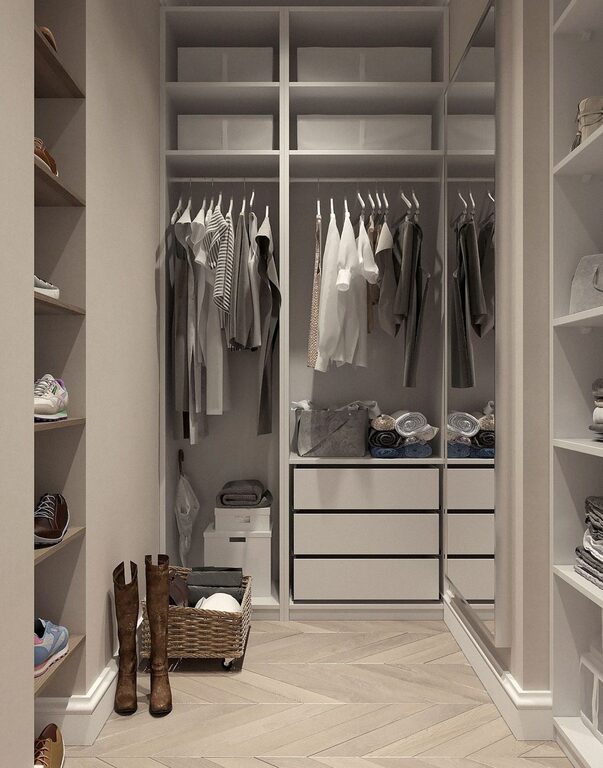
A tidy closet can make busy mornings easier and help you get more use from the clothes, shoes, and accessories you already own. The key is not creating a perfect display that takes constant effort. Instead, aim for a practical system that matches your habits and makes it easy to put things away.
With a few thoughtful changes, you can improve your closet’s layout and create simple routines that help it stay organised.
Start With a Complete Reset
Before buying storage products or rearranging shelves, take everything out of the closet. Working with an empty space makes it easier to see what you have and decide how to use the available room.
Sort your belongings into broad groups, such as:
– Tops
– Bottoms
– Dresses and one-piece outfits
– Outerwear
– Shoes
– Bags
– Accessories
– Seasonal items
– Items that need mending or cleaning
As you sort, place items you no longer want in a separate pile. Be honest about what you wear, what fits your lifestyle, and what is in good condition. If an item has not been worn in a long time and no longer suits your needs, it may be taking up valuable space.
You can create four simple categories:
– Keep
– Donate
– Repair or clean
– Recycle or discard
Avoid making quick decisions about sentimental pieces. Set those aside and review them after the main sorting is finished.
Organise Around Your Routine
The best closet system is the one you can use without much thought. Consider how you get dressed each day and place the items you reach for most often in the easiest-to-access areas.
For example, keep everyday clothing at eye level and less frequently used items on higher shelves. If you dress for work in one section of the closet, group those pieces together. Weekend clothing, exercise wear, and special-occasion items can each have their own area.
You may find it helpful to arrange hanging clothes by:
– Clothing type
– Season
– Colour
– Frequency of use
There is no single correct method. Choose the arrangement that helps you find items quickly and return them to the right place.
Use Matching Hangers
Matching hangers can make a closet look more orderly, but they can also improve the way clothing fits together. Slim hangers often take up less space than bulky plastic or wooden styles, giving you more room on the clothing rod.
Choose hangers that suit the items you own. For example:
– Use sturdy hangers for coats and heavier jackets.
– Choose non-slip hangers for silky or lightweight tops.
– Use skirt or trouser hangers when folding would create creases.
– Use padded hangers for delicate garments.
Avoid overcrowding the clothing rod. When clothes are packed too tightly, they are harder to see and more likely to become wrinkled. Leave a little space between groups so you can browse comfortably.
Make Better Use of Vertical Space
Many closets have unused space above the hanging rod or on the floor. Add storage in these areas without making the closet difficult to access.
Useful options include:
– Shelf dividers for folded clothing
– Stackable bins for seasonal items
– Hanging shelves for sweaters or bags
– Hooks for belts, scarves, or everyday accessories
– A second hanging rod for shorter garments
– Shoe racks or low storage boxes
Keep frequently used items within easy reach. Reserve high shelves and deep corners for pieces you use less often, such as holiday clothing, luggage, or special-occasion accessories.
If you use storage bins, label them clearly. A label should describe the contents in simple terms, such as “winter scarves” or “summer sandals”. This prevents you from opening several containers to find one item.
Fold Clothes for Easy Access
How you fold clothing affects both storage space and visibility. Instead of stacking everything in tall piles, fold items in a way that lets you see more of what you own.
Vertical folding works especially well in drawers and bins. Fold shirts, trousers, and casual clothing into compact shapes and place them upright beside one another. This makes each item visible and reduces the need to disturb the entire drawer.
For shelves, keep stacks low enough to remove one item without causing the rest to topple. You can also group folded clothing by type or colour to make the shelf easier to maintain.
Avoid overstuffing drawers. If a drawer is difficult to open or close, it probably contains too much. Removing a few rarely worn pieces can make a noticeable difference.
Give Shoes and Accessories a Home
Shoes and accessories can quickly create clutter because they come in different shapes and sizes. Give each category a designated location.
Keep everyday shoes near the front of the closet or by the entrance, depending on your space. Store less frequently worn footwear in boxes or on higher shelves. If you use shoe boxes, consider clear containers or labels so you can identify each pair without opening every box.
For accessories, try:
– Small trays for watches, jewellery, or hair accessories
– Hooks for belts and scarves
– Divided boxes for smaller items
– A dedicated shelf for bags
– A basket for items used regularly
Do not fill every storage container to the top. Leave a little room so items can be returned easily rather than placed on the nearest available surface.
Create a Seasonal Rotation
If your closet is small, rotating seasonal clothing can free up useful space. At the end of each season, review what you wore and store items that are unlikely to be needed for several months.
Before storing clothing, make sure it is clean and completely dry. Fold items neatly and place them in breathable containers where possible. Avoid storing damp or unclean clothing, as this can lead to unwanted smells and damage.
Use the seasonal change as an opportunity to check for items that no longer fit your needs. If you did not wear something during the season, consider whether it deserves space the next time around.
Add a Simple Maintenance Routine
A closet stays organised when tidying becomes a small, regular task instead of a major project. Spend a few minutes each week returning items to their assigned places.
A simple routine might include:
– Hanging clothing after it has been worn and aired out.
– Putting shoes away before going to bed.
– Folding clean laundry before placing it in the closet.
– Removing empty packaging and unwanted items.
– Returning accessories to their trays, hooks, or bins.
– Checking for clothing that needs cleaning or repair.
You can also do a quick monthly review. Look for crowded areas, misplaced items, or storage solutions that are no longer working. Adjust the system rather than forcing yourself to follow an inconvenient arrangement.
Leave Room for Real Life
A closet does not need to look perfect every day. The goal is to make it easy to reset when things become untidy.
Leave a small, clearly defined space for clothing that has been worn but is not ready for washing. Use a basket, hook, or chair only if it has a specific purpose and does not become a permanent pile.
It is also helpful to keep a donation bag nearby. When you find an item you no longer want, place it in the bag immediately. Once the bag is full, take it to a suitable donation centre or arrange another responsible way to pass the items along.
Keep the System Simple
The most successful closet systems are easy to understand and maintain. Avoid adding too many categories, containers, or rules. If putting something away takes several steps, you may be less likely to do it.
Start with the basics:
- Remove items you no longer use.
- Group similar belongings together.
- Place everyday items within easy reach.
- Use vertical space wisely.
- Create a home for everything.
- Review the closet regularly.
A tidy closet is not created in one afternoon and then forgotten. It is maintained through small choices that support your daily routine. When every item has a practical place, getting dressed and putting things away become simpler, faster, and less frustrating.