

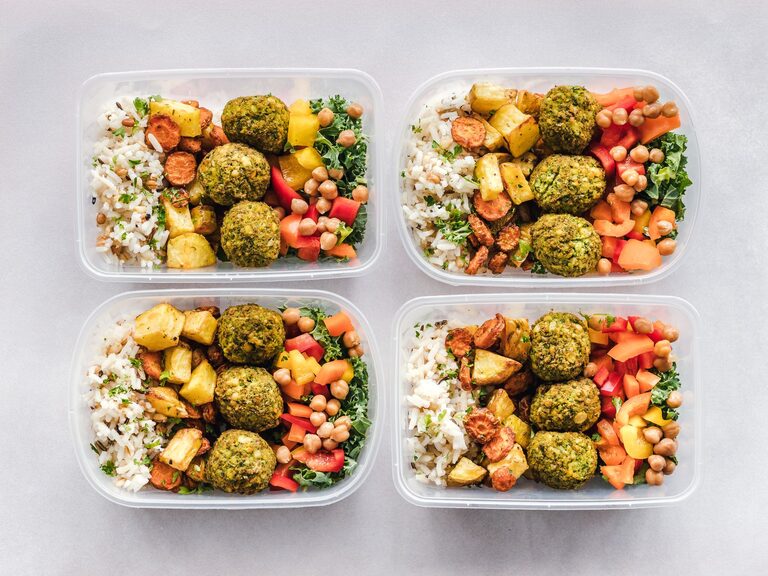
Busy weeks can make cooking feel like one more task on an already long list. Meal prep helps by moving some of the work to a quieter time, so weekday meals are easier to assemble and enjoy. You do not need to cook every meal in advance or spend an entire Sunday in the kitchen. A few simple preparations can make a noticeable difference.
The key is to choose meals and ingredients that are flexible, easy to store, and quick to reheat. With a little planning, you can create a routine that suits your schedule, budget, and household.
Start with a simple meal plan
Before buying groceries, decide which meals need the most attention during the week. You might plan five dinners, or simply prepare a few lunches and breakfast options. Keep the plan realistic rather than aiming for a completely different recipe every day.
A simple weekly plan could include:
- Two cooked dinners that create leftovers
- One quick meal, such as sandwiches, wraps, or eggs
- One freezer-friendly dish
- One flexible meal made from leftover ingredients
- Prepared breakfasts and snacks
Choose recipes that share ingredients. For example, roasted vegetables can be served with chicken one night, added to grain bowls the next day, and folded into an omelette later in the week. This approach reduces food waste and makes your grocery list shorter.
Build meals from a few basic components
Instead of preparing complete meals, cook a few useful components that can be combined in different ways. This method gives you variety without requiring several recipes.
Try preparing:
- A protein, such as roasted chicken, baked tofu, boiled eggs, or beans
- A grain, such as rice, quinoa, couscous, or pasta
- Two vegetables, either roasted, steamed, or chopped fresh
- A sauce or dressing
- A few toppings, such as grated cheese, seeds, herbs, or sliced green onions
Once these ingredients are ready, you can make bowls, salads, wraps, pasta dishes, or side plates. Keep sauces and toppings separate until serving to help maintain texture.
Easy breakfast ideas
Breakfast is often rushed, so preparing a few options ahead of time can make mornings smoother.
Overnight oats
Combine oats with milk or a milk alternative in small containers. Add fruit, cinnamon, nut butter, or seeds before serving. Overnight oats can usually be prepared in a few minutes and stored in the refrigerator for several days.
Freezer-friendly breakfast sandwiches
Prepare sandwiches with eggs, cheese, and a choice of cooked vegetables or meat. Wrap them individually and freeze them. Move one to the refrigerator the night before, then warm it in the morning according to your appliance instructions.
Yogurt and fruit pots
Layer yoghurt, fruit, and granola in containers. Store the granola separately if you prefer it crunchy. This is also an easy way to use seasonal fruit.
Prepare flexible lunch options
Lunches are easier to manage when they can be eaten cold or reheated. Grain bowls, pasta salads, soups, and wraps are all useful choices.
Mix and match grain bowls
Fill containers with a grain, a protein, and vegetables. Pack the dressing separately. For variety, change the flavour with different sauces, such as a lemon herb dressing, a mild curry sauce, or a simple vinaigrette.
Make a large pot of soup
Soup is a practical meal prep choice because it can be portioned and frozen. Vegetable soup, lentil soup, chicken noodle soup, and bean chilli are all suitable for batch cooking. Cool the soup before storing it, and leave space in freezer containers for expansion.
Prepare wrap fillings
Cook a filling such as shredded chicken, roasted vegetables, beans, or egg salad. Store it separately from wraps and fresh toppings. Assemble each wrap when you are ready to eat to help prevent sogginess.
Plan quick dinners
Dinner prep does not have to mean fully cooking every evening meal in advance. Often, chopping ingredients and preparing one or two parts is enough.
Useful preparations include:
- Chopping onions, carrots, and peppers
- Washing and drying salad greens
- Marinating chicken, tofu, or vegetables
- Cooking rice, pasta, or potatoes
- Making a jar of sauce or dressing
- Grating cheese and portioning toppings
For example, prepare a tray of roasted vegetables and a cooked grain on the weekend. During the week, add them to tacos, bowls, pasta, or a simple side dish. You can also prepare a sheet-pan meal by placing seasoned protein and vegetables on one tray and cooking them together.
Use the freezer to extend your options
The freezer can help you save meals for the busiest days. Freeze food in individual or family-sized portions, depending on how you plan to use it. Label each container with the name and date so older items are easy to use first.
Good freezer choices include:
- Soups and stews
- Chilli and tomato-based sauces
- Cooked grains
- Breakfast sandwiches
- Meatballs and bean patties
- Lasagna and other baked pasta dishes
Some foods, such as fresh lettuce, cucumber, and creamy sauces, may not freeze well. Keep these ingredients fresh and add them after reheating.
Keep food prep safe and organized
Allow cooked food to cool before placing it in sealed containers, and store it in the refrigerator or freezer promptly. Use clean cutting boards and utensils, especially when working with raw ingredients. Reheat leftovers thoroughly and follow the storage guidance for your ingredients.
Choose containers that stack easily and have secure lids. Clear containers can also help you see what needs to be eaten. Keep a short list on the refrigerator showing prepared meals and their dates.
A useful storage system might look like this:
- Prepared meals at eye level
- Ingredients that need to be used soon in one dedicated section
- Frozen portions labelled by name and date
- Sauces and toppings stored in small containers
Make meal prep easier to maintain
The best routine is one you can repeat without feeling overwhelmed. Start with one preparation session each week and keep it to about an hour. As the routine becomes easier, add another task if needed.
You can also divide the work into smaller sessions. Chop vegetables one evening, cook grains the next day, and prepare breakfast items on the weekend. Involving family members can make the process faster and give everyone a choice in the weekly menu.
Finally, leave room for flexibility. Plans can change, and not every prepared meal needs to be used exactly as intended. Treat your ingredients as building blocks, use leftovers creatively, and adjust the plan based on what your week actually looks like. A little preparation can make busy days calmer while keeping home-cooked meals within reach.