

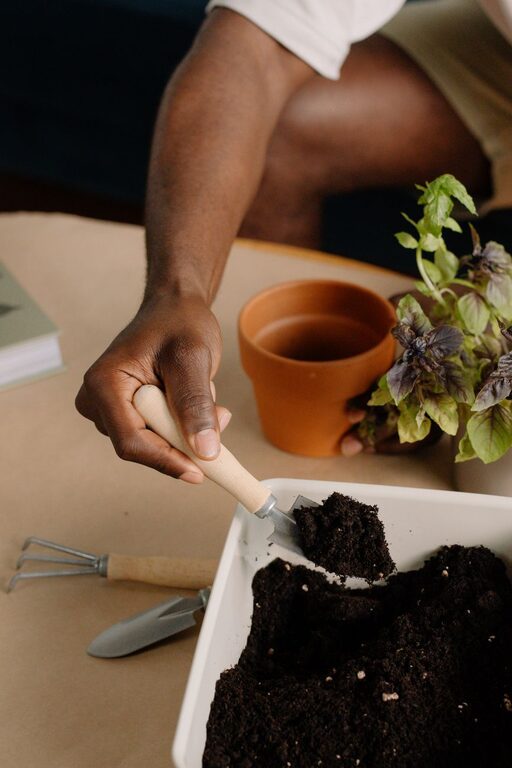
Growing herbs indoors is a simple way to add fresh flavour and greenery to your home, even if you do not have a balcony or garden. With a few containers, suitable light, and regular care, you can grow useful herbs on a kitchen windowsill or a small shelf.
An indoor herb garden also gives you a chance to learn the basics of plant care without needing much space. Start small, choose dependable herbs, and build your garden gradually as you gain confidence.
Choose the Right Herbs
Some herbs adapt especially well to indoor growing. For a small starter garden, choose plants that match your cooking habits and the conditions in your home.
Good options include:
– Chives
– Parsley
– Mint
– Oregano
– Thyme
– Basil
– Cilantro
– Rosemary
Basil, chives, parsley, mint, and oregano are often good choices for beginners. Basil grows quickly when it receives plenty of light, while chives can tolerate a range of indoor conditions. Mint is easy to grow but spreads quickly, so it is best kept in its own container.
Rosemary and thyme usually need bright light and well-draining soil. Cilantro can be rewarding but may grow quickly and produce flowers, especially in warmer conditions. If you are new to indoor gardening, begin with two or three herbs rather than trying to grow everything at once.
Find a Suitable Location
Most herbs need several hours of bright light each day. A sunny, south-facing window is often a good location, although an east- or west-facing window may also work.
Place your plants where they can receive light without touching cold glass. During winter, windows can become chilly, and sudden temperature changes may stress the plants. Keep herbs away from heating vents, radiators, and draughty doors, which can dry them out.
A kitchen windowsill can be convenient, but make sure it is wide enough for the containers and receives enough light. If the area is too dark, consider placing the garden on a nearby shelf with a small grow light.
Using a Grow Light
A grow light can help when natural light is limited, particularly during the shorter days of the Canadian winter. Choose a light designed for indoor plants and position it according to the manufacturer’s instructions.
Most herbs benefit from a consistent light schedule. A timer can make this easier by turning the light on and off at regular times. Watch the plants after setting up the light. If stems become tall and thin, they may need more light. If leaves look pale or scorched, the light may be too strong or too close.
Select Containers with Drainage
Herbs need containers that allow excess water to escape. Choose pots with drainage holes in the bottom and place a saucer underneath to protect your windowsill or shelf.
Containers should be large enough to support the plant’s roots but do not need to be oversized. A pot that is about 15 to 20 centimetres wide is suitable for many small herbs. Mint, rosemary, and larger parsley plants may eventually need more room.
You can place several individual pots in a tray to create a neat display. Growing each herb in its own container also makes it easier to control watering and move plants when needed.
Avoid leaving pots in standing water. Empty the saucers after watering so the roots are not constantly wet.
Use the Right Potting Mix
Regular garden soil is often too dense for containers and may not drain well indoors. Instead, use a quality indoor potting mix or a mix labelled for herbs and vegetables.
A good potting mix should hold some moisture while allowing air and water to move through it. Fill the container loosely and leave a small gap below the rim. This makes watering easier and helps prevent soil from spilling over the sides.
If you are moving a plant from a nursery container, gently loosen any tightly packed roots before placing it in its new pot. Set the plant at the same depth it was growing before, then fill around it with potting mix.
Water Carefully
Overwatering is one of the most common problems with indoor herbs. The surface of the soil may look dry while the lower part of the pot is still wet, so check the soil before adding more water.
Press your finger about two centimetres into the soil. If it feels dry, water slowly until a little water drains from the bottom. If it still feels damp, wait a day or two and check again.
Watering needs vary by herb and season. Basil may need water more often than rosemary, while plants usually need less water during cooler, darker months. Containers near a sunny window may dry out faster than those in a shaded spot.
Use room-temperature water when possible. Very cold water can shock the roots, especially in winter.
Provide Good Air Circulation
Good air movement helps reduce excess moisture around the leaves and soil. Avoid placing herbs so closely together that their leaves touch constantly.
If the room feels humid or airless, open a nearby window briefly when weather allows, or use a small fan on a low setting. The fan should not blow directly on the plants for long periods. Gentle air movement is enough.
Remove yellow or damaged leaves as soon as you notice them. This keeps the plant tidy and helps you spot problems early.
Feed Herbs Occasionally
Fresh potting mix usually provides enough nutrients for the first few weeks. After that, herbs may benefit from a mild, balanced indoor plant fertiliser.
Follow the product instructions carefully and avoid using more than recommended. Too much fertiliser can damage roots and cause excessive leafy growth with less flavour.
Fertilising once every four to six weeks during active growth is often sufficient. Reduce or stop feeding when growth slows during the darker months.
Harvest the Right Way
Regular harvesting encourages many herbs to produce new growth. Use clean scissors or kitchen shears to cut what you need rather than pulling leaves from the plant.
For leafy herbs such as basil, cut just above a pair of leaves. This encourages the plant to branch out. Avoid removing more than one-third of the plant at a time, as it needs enough leaves to continue growing.
Chives can be trimmed several centimetres above the soil. Parsley can be harvested by cutting outer stems near the base. For woody herbs such as rosemary and thyme, snip the softer green tips rather than cutting deeply into old, bare stems.
Harvest herbs in the morning, after any surface moisture has dried. Use them fresh, or store them briefly in the refrigerator according to the herb.
Watch for Common Problems
A few simple observations can help you solve most indoor herb garden issues.
– Yellow leaves: The plant may be receiving too much water or not enough light.
– Long, weak stems: The plant likely needs brighter light.
– Dry, crispy leaves: The air may be too dry, or the plant may need more consistent watering.
– Wilting soil that stays wet: The container may not drain properly.
– Small insects: Check the undersides of leaves and gently rinse the plant if needed.
When introducing a new plant, keep it separate from your other herbs for a short time. This can help prevent pests from spreading throughout the garden.
Keep Your Garden Manageable
The best indoor herb garden is one you can care for consistently. Start with a sunny spot, a few suitable containers, and herbs you are likely to use. Label each pot if you are growing several varieties, especially when plants are young.
Set a weekly reminder to check the soil, rotate containers, and remove damaged leaves. Turn each pot a quarter turn every few days so the plant grows evenly towards the light.
With regular attention, even a small indoor garden can provide fresh herbs through much of the year. As you learn which plants thrive in your home, you can add more containers, try new varieties, or move established herbs into larger pots.