

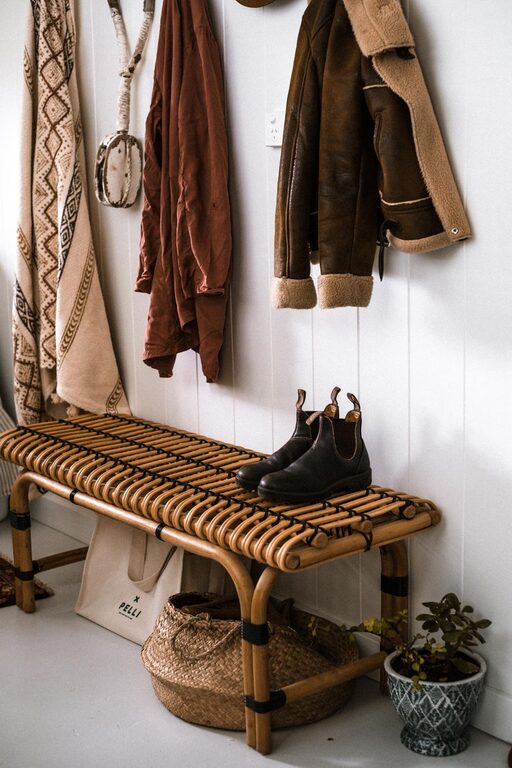
A well-organized entryway can make your entire home feel calmer. It is the first space you see when you walk in and the last place you pass before heading out, so even small improvements can make daily routines easier.
The key is to give every frequently used item a practical home. With a few simple storage solutions and regular tidying, you can create an entryway that looks welcoming and works for your household.
Start by Clearing the Clutter
Before adding baskets, hooks, or shelves, remove everything from the entryway. Sort each item into three groups:
– Keep in the entryway
– Move to another room
– Donate, recycle, or discard
Be selective about what belongs near the door. Everyday items such as coats, shoes, keys, umbrellas, and bags usually deserve a place there. Items that are rarely used may be better stored in a closet or another room.
A clear starting point also helps you see how much storage you actually need. You may discover that a simple hook rail is enough, or that shoes are the main source of clutter.
Create Zones for Everyday Items
An entryway is easier to maintain when it has separate areas for different types of belongings. You can create simple zones without making the space feel crowded.
The drop zone
This is where you place items as soon as you come home. A small tray, shelf, or narrow console table can hold keys, sunglasses, mail, and other small essentials.
Try to keep the drop zone limited to items you use regularly. If it becomes a place for loose receipts, packaging, and random objects, it will quickly look untidy.
The coat zone
Use wall hooks, a coat rack, or a wardrobe for jackets and hats. If several people share the space, assign each person a hook. This makes it easier to put things away and find them later.
Keep only current-season outerwear in the entryway if possible. Store off-season coats elsewhere to free up space.
The shoe zone
Shoes are often the biggest challenge in an entryway. A shoe rack, bench with storage, or low shelving unit can keep them contained. Position the storage close to the door so it is convenient to use.
Set a limit for how many pairs can stay in the entryway. For example, each household member might keep one or two everyday pairs near the door, while the rest are stored in a bedroom closet.
Use Wall Space Wisely
When floor space is limited, look up. Vertical storage can provide useful organization without taking up much room.
Install a row of sturdy hooks for coats, bags, and umbrellas. A pegboard can offer flexible storage for smaller items, while floating shelves can hold baskets or decorative pieces.
A wall-mounted organizer with separate compartments can be useful for keys, mail, and small accessories. Choose a style that suits your home, but focus first on function and durability.
Make sure hooks and shelves are installed securely, especially if they will hold heavy bags or multiple coats.
Add a Practical Landing Area
A small table or shelf gives everyday items a designated landing place. If your entryway is narrow, choose a slim console or wall-mounted shelf.
Use containers to prevent small items from spreading across the surface. A tray can hold keys and sunglasses, while a small basket can collect items that need to be carried to another room.
Keep the surface simple. A lamp, plant, or small decorative item can make the area feel inviting, but too many decorations may reduce the space available for useful items.
Make Use of Baskets and Bins
Baskets are a simple way to hide visual clutter while keeping belongings accessible. They work especially well on shelves, under benches, or inside open cubbies.
Consider using separate baskets for:
– Scarves and gloves
– Pet accessories
– Reusable shopping bags
– Children’s outdoor items
– Items that need to be returned elsewhere
Label the baskets if several people use the entryway. Clear labels make it easier for everyone to know where things belong and can encourage better habits.
Choose baskets that fit the space properly. Oversized containers may block walkways, while very small ones may not hold enough to be useful.
Keep Mail and Paperwork Under Control
Mail can quickly turn an organized entryway into a cluttered one. Set up a simple system to deal with it as soon as it comes through the door.
Use one tray or wall pocket for incoming mail. Sort it regularly and remove unwanted flyers immediately. Important papers can be moved to a designated filing area rather than left in the entryway.
Avoid creating several piles. A single, clearly defined location is easier to manage and less likely to become overwhelming.
Include a Place to Sit
A bench or small stool can make putting on and removing shoes more comfortable. Choose a bench with storage underneath if you need extra space for footwear, bags, or seasonal accessories.
In a very small entryway, a folding seat or compact stool may work better than a full bench. Even a sturdy chair can serve the purpose if it does not interfere with the walkway.
Keep the area under seating tidy by using a basket or storage box. This prevents loose shoes and bags from collecting in a messy pile.
Organize for the Season
Your entryway needs change throughout the year. In warmer months, you may need space for light jackets, hats, and outdoor footwear. During colder weather, heavier coats, boots, scarves, and gloves require more room.
At the beginning of each season, remove items that are no longer needed and store them elsewhere. Check coats and shoes before storing them, and clean or repair anything that needs attention.
Seasonal rotation keeps the entryway from becoming overloaded and makes frequently used items easier to reach.
Make the Space Easy to Clean
An organized entryway should also be simple to maintain. Choose washable mats and storage materials that can handle regular use. A durable tray can protect surfaces from wet shoes, while a boot mat can help contain dirt and moisture.
Keep cleaning supplies nearby, but out of sight. A small cloth, hand broom, or compact brush can be stored in a nearby cupboard or basket for quick clean-ups.
Avoid placing delicate items where they may be knocked over by bags, shoes, or busy foot traffic.
Establish a Five-Minute Reset
The best organization system is one that is easy to maintain. Set aside a few minutes at the end of each day or week to reset the space.
A quick reset might include:
- Returning shoes to the rack
- Hanging up coats and bags
- Sorting the mail
- Emptying the catch-all tray
- Moving items that belong in other rooms
- Sweeping or wiping the floor as needed
Encourage everyone in the household to take part. When each item has a clear home, tidying the entryway becomes a quick routine rather than a major chore.
Keep It Simple and Useful
An organized entryway does not need expensive furniture or complicated storage. A few well-placed hooks, a shoe rack, a tray, and a basket may be all you need.
Focus on the way your household uses the space. Store the most frequently used items within easy reach, reduce what does not belong, and choose storage that fits the size of the entryway.
With a practical layout and a few consistent habits, your entryway can stay tidy, welcoming, and ready for whatever the day brings.