

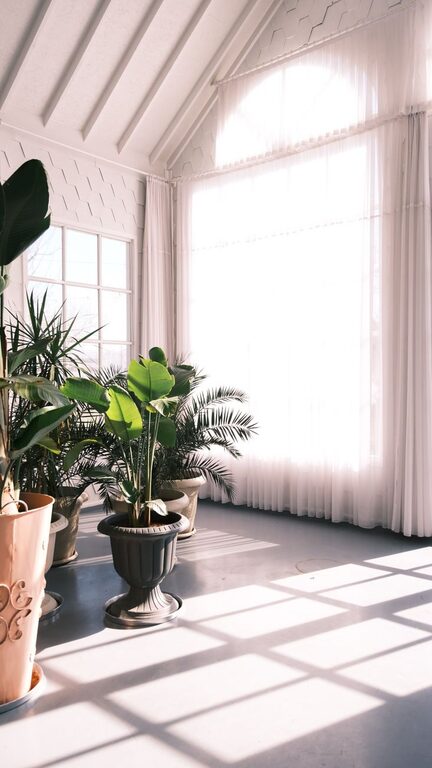
A dark room can feel cosy, calm, and intimate, but it may also seem smaller or less welcoming than you would like. The good news is that you do not need a major renovation to make the space feel brighter. A few thoughtful changes to lighting, colour, furniture, and accessories can create a lighter and more comfortable room.
Whether you are working with a room that receives little natural light or simply want to refresh a dim corner, these quick ideas can help.
Start with the Lighting
Lighting is one of the fastest ways to brighten a room. Instead of relying on one ceiling fixture, use several light sources at different levels. This helps spread light throughout the space and reduces dark corners.
Try combining:
– A ceiling light for general illumination
– A floor lamp beside a sofa or reading chair
– Table lamps on side tables, shelves, or a desk
– Wall lights to add light without taking up floor space
– Small accent lights to highlight artwork or architectural details
Choose bulbs that provide a soft white glow rather than a very warm yellow light. Bulbs labelled “daylight” can look bright and crisp, but they may feel too cool in a living space. A balanced white bulb is often a comfortable choice for bedrooms, living rooms, and home offices.
Also, make sure lamps are placed where they are useful. A lamp hidden behind furniture will not do much to brighten the room. Position lights near seating areas, work surfaces, and corners that tend to look shadowy.
Keep Light Fixtures Simple
Large, heavy light fixtures can make a dark room feel crowded. Choose designs with open shades, glass details, or light-coloured finishes. These allow more light to spread across the room.
If your ceiling light has a dark or opaque shade, replacing the shade may make a noticeable difference without changing the entire fixture.
Use Mirrors to Reflect Light
Mirrors can make a room feel brighter and more spacious by reflecting both natural and artificial light. Place a mirror opposite or beside a window to bounce daylight around the room. If the room has no useful window, position a mirror near a lamp or light fixture instead.
A single large mirror can create a strong effect, but a group of smaller mirrors can work well too. Look for frames in light wood, white, metal, or other finishes that suit your decor.
For the best result:
– Place mirrors where they reflect light, not clutter
– Use a large mirror to create a sense of openness
– Avoid covering every wall, as too many reflections may feel busy
– Check the reflection before hanging the mirror to make sure it shows something pleasant
Mirrored furniture, glass tables, and glossy accessories can also reflect light, but use them in moderation for a balanced look.
Choose Light, Warm Colours
Colour has a major impact on how bright a room feels. Pale shades reflect more light than dark tones, making walls and ceilings appear more open. White is a classic choice, but it is not the only option.
Consider soft shades such as:
– Warm white
– Cream
– Pale beige
– Light grey
– Soft blue
– Gentle green
– Pale yellow
Warm whites and light neutrals can prevent the room from feeling cold or stark. If you prefer colour, choose a muted shade with a light finish. Very saturated or dark colours can absorb light, especially when used on several walls.
You do not necessarily need to repaint the entire room. Painting one wall, the ceiling, or even a built-in shelf in a lighter shade can help lift the space.
Pay Attention to the Ceiling
A dark ceiling can make a room feel lower and more enclosed. Painting it a light colour can create the impression of extra height. A soft white or a lighter version of the wall colour is usually a safe choice.
If the ceiling already has a light colour but still looks dim, clean the surface and update the light fixture. Dust and ageing finishes can affect how bright the room appears.
Make the Most of Natural Light
Even a small amount of daylight can make a difference if you avoid blocking it. Keep windows clean and remove objects that sit directly in front of them. Trim plants that have grown across the glass, and move tall furniture away from the window when possible.
Window treatments are also important. Heavy curtains can absorb light and make the room feel darker throughout the day. Try lightweight curtains in linen, cotton, or another softly woven fabric. Hang the curtain rod slightly wider than the window so the panels can be pulled fully aside.
For privacy, consider:
– Sheer curtains
– Light-coloured roller shades
– Adjustable blinds
– Frosted window film
– Layered window coverings
Choose window treatments that provide privacy without blocking all available daylight.
Add Light-Coloured Textiles
Large pieces of fabric can strongly influence the mood of a room. A pale rug, light sofa cover, or neutral bedding can make the space feel fresher and brighter.
If replacing major furniture is not practical, add smaller items such as:
– Cream or light grey cushions
– A pale throw blanket
– A soft area rug
– Light-coloured bedding
– Neutral curtains
– A fabric lampshade in a bright tone
Texture is useful here. Woven fabrics, cotton, linen, and soft wool can add warmth without relying on deep colours. A room does not have to be completely white to feel bright.
Reduce Visual Clutter
Clutter can make a room feel darker because it creates more shadows and makes surfaces look crowded. Clear unnecessary items from floors, shelves, and tables. Keep only the pieces that are useful or meaningful.
A few simple changes can help:
– Store small items in baskets or boxes
– Keep surfaces partly clear
– Group decorative objects instead of scattering them
– Use furniture with built-in storage
– Remove items that block windows or light sources
An uncluttered room often feels brighter even before you change the lighting or colour scheme.
Choose Furniture with Care
Heavy, dark furniture can absorb light and make a room feel more enclosed. If you are buying new pieces, look for furniture with slim profiles, raised legs, or open shelving. These designs allow more light and air to move through the room.
You can also brighten existing furniture by:
– Using a light slipcover
– Replacing dark handles with lighter hardware
– Adding a pale runner to a cabinet
– Moving large pieces away from windows
– Removing one unnecessary piece to open the layout
Glass, light wood, and metal can work well in a darker room because they help maintain a sense of openness.
Add Greenery Carefully
Plants can bring energy and colour to a dim room, but choose varieties that suit the amount of natural light available. Place plants near a window or another suitable light source rather than in a completely dark corner.
Light-coloured planters can also contribute to a brighter look. White, cream, pale green, and natural ceramic finishes are easy choices that complement many decorating styles.
If the room does not receive enough light for live plants, consider dried stems or high-quality artificial greenery. Keep the arrangement simple so it adds interest without creating more visual weight.
Finish with Bright Accents
Small decorative details can make a noticeable difference. Add artwork with a light background, metallic frames, or bright but gentle colours. Reflective accessories such as glass vases, ceramic pieces, and brushed metal trays can catch light and add subtle sparkle.
Do not feel that every item must be light. A few darker accents can provide contrast and make the brighter elements stand out. The goal is to create balance rather than remove all depth from the room.
Brightening a dark room is often about layering several small improvements. Begin with better lighting, clear the windows, and add a mirror. Then consider lighter colours, simple textiles, and less visual clutter. With a few practical updates, even a dim room can feel open, comfortable, and inviting.