

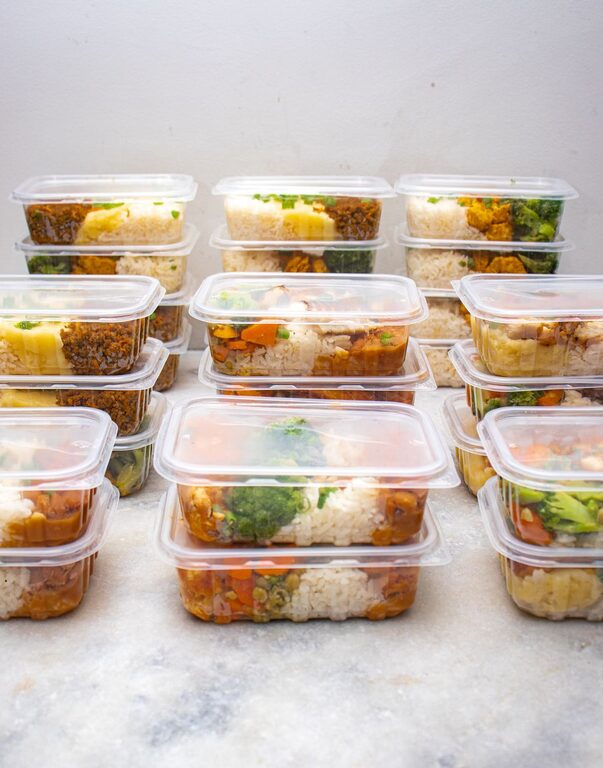
Food waste can happen easily at home. A forgotten container at the back of the fridge, an overfilled grocery basket or a meal that does not get eaten can all lead to wasted food. The good news is that small changes to your everyday habits can make a meaningful difference.
Reducing food waste can also make meal planning easier, lower grocery costs and help you get more value from the food you already have. Here are practical ways to waste less food at home.
Plan Before You Shop
One of the simplest ways to reduce food waste is to plan meals before visiting the grocery store. A basic plan helps you buy what you need instead of choosing items that may go unused.
Before making your shopping list:
– Check the fridge, freezer and pantry.
– Note foods that should be used soon.
– Plan meals around ingredients you already have.
– Look at your schedule for the week.
– Write down the exact items and amounts you need.
Your plan does not need to be complicated. Even choosing three or four meals for the week can help. Leave room for flexible meals, such as soup, pasta or stir-fry, which can use a variety of leftover ingredients.
Take Stock of What You Have
Group similar foods together so they are easier to find. For example, keep canned goods on one shelf and baking ingredients in another area. This can prevent you from buying duplicate items.
A quick inventory can also remind you about food that needs attention. If you find vegetables that are beginning to soften, plan to use them in a stew, omelette or sauce.
Shop With a List
A shopping list can help you stay focused and avoid buying more than you can use. Consider how many people you are feeding, how often you will cook and whether you will be away from home during the week.
Try these shopping habits:
– Avoid shopping when you are very hungry.
– Choose smaller amounts of foods that spoil quickly.
– Buy larger packages only when you know you will use them.
– Check the dates and condition of fresh foods.
– Be cautious with special offers that encourage extra purchases.
It is also helpful to separate “needs” from “nice-to-have” items. If you already have several snacks or side dishes at home, you may not need more until they are used.
Store Food Properly
Proper storage can help food stay fresh for longer. Different foods have different storage needs, so take a few minutes to learn what works best for common ingredients.
Keep the fridge at a suitable temperature and avoid packing it so tightly that air cannot circulate. Store foods where they are easy to see, and place older items near the front. This encourages a “first in, first out” habit.
Some other useful storage tips include:
– Keep bread in a cool, dry place or freeze extra loaves.
– Store herbs in a glass of water or wrap them in a damp cloth.
– Keep potatoes and onions in separate, dark, dry areas.
– Place ripe fruit in the fridge if you will not eat it soon.
– Use airtight containers for dry goods after opening them.
– Freeze meat, bread and prepared meals if you will not use them in time.
Clear containers and labels can make a big difference. Write the name and date on leftovers before placing them in the fridge or freezer.
Understand Food Dates
Food date labels can be confusing. In Canada, date markings may indicate freshness or the recommended period for selling a product, depending on the label and food. A date does not always mean the food must be thrown away immediately.
Use your senses and follow the product’s storage instructions. Check the appearance, smell and texture of food before deciding what to do with it. However, when food shows clear signs of spoilage, discard it safely. When in doubt about a particular product, check the manufacturer’s guidance or a reliable food safety source.
Avoid relying on dates alone to decide what to throw away. Planning to use food before its quality declines is a better way to prevent waste.
Make Good Use of Leftovers
Leftovers can become the base for another meal rather than an unwanted extra. Store them in single portions if you are unlikely to eat everything at once. Smaller containers are easier to use for lunches and quick meals.
Try turning leftovers into something new:
– Roast vegetables can be added to soup, pasta or grain bowls.
– Cooked chicken can be used in sandwiches, wraps or salads.
– Extra rice can become fried rice or a filling for stuffed vegetables.
– Soft fruit can be blended into smoothies or cooked into a topping.
– Small amounts of cheese and vegetables can be added to omelettes.
– Leftover herbs can be mixed into sauces, dressings or spreads.
Set aside one meal each week to use ingredients that are close to their best. This “use-it-up” meal can be simple and creative.
Cook the Right Amount
Serving too much food can lead to large amounts of leftovers that may not be eaten. Use measuring cups, a kitchen scale or package guidelines to estimate portions, especially when cooking rice, pasta and grains.
If you are unsure, prepare a little less and offer more if needed. This is particularly useful when cooking for guests or when trying a new recipe.
You can also keep extra ingredients separate. For example, serve sauces, toppings and dressings on the side so people can choose how much they want. This can reduce untouched food on plates.
Freeze Food Before It Goes Bad
Freezing is an easy way to preserve food and extend its useful life. Many foods freeze well, including bread, cooked grains, soups, sauces, grated cheese and some fruits and vegetables.
For the best results:
– Freeze food in suitable containers or bags.
– Remove as much air as possible.
– Label items with the contents and date.
– Freeze food in portions that match your needs.
– Allow hot food to cool before freezing, following safe handling practices.
– Keep an inventory so frozen food does not get forgotten.
Frozen food is most useful when you remember to use it. Review the freezer regularly and plan meals around items that have been stored for a while.
Use More of Each Ingredient
Many parts of food that are often discarded can be used in cooking. Broccoli stems can be sliced into stir-fries, while cauliflower leaves can be roasted or added to soups. Citrus peels can add flavour to baked goods, sauces or drinks.
Vegetable trimmings can be collected for homemade stock, provided they are clean and suitable for that purpose. Stale bread can be turned into croutons or breadcrumbs. Overripe bananas can be used in baking.
Not every part of every food is edible, so use common sense and follow reliable preparation guidance. The goal is to find practical uses for ingredients before sending them to the bin.
Create a Food Waste Routine
A regular routine makes waste reduction easier to maintain. Once a week, check your fridge and pantry, clean out old containers and identify foods that need to be used soon.
You could also keep a simple note of what you throw away. After a few weeks, patterns may appear. You may notice that you regularly buy too much salad, cook oversized batches or forget certain items in the fridge.
Use what you learn to adjust your shopping list, storage habits and meal portions. Reducing food waste does not require perfection. A few consistent changes can help your household save food, simplify meal preparation and make better use of what you buy.